

(Hover over images to see a description)
This has been our home since 1988. Basically a pole building with 2 floors and 8000 square feet.
The customer service area is home to our experienced guitar specialists.
Here are two more of the sales staff hard at work.
In the front office, Sandy and Bob process shipping, maintain inventory and accounting, and check the orders before they go into production.
Shipping and packing is all done here in-house. The slide-out shelves in this custom-built table hold dozens of orders waiting to be packed.
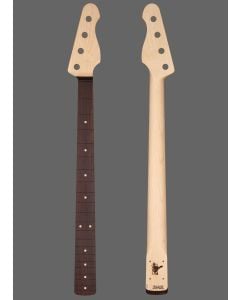
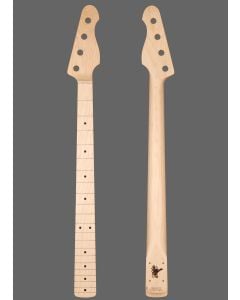
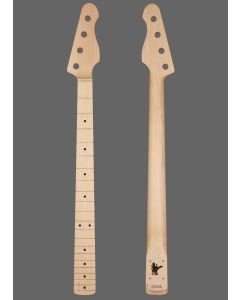
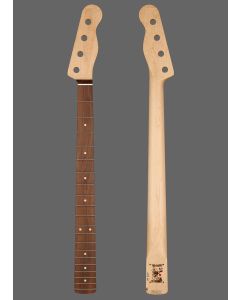
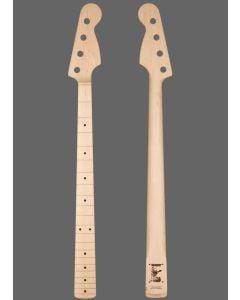
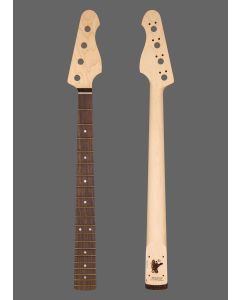
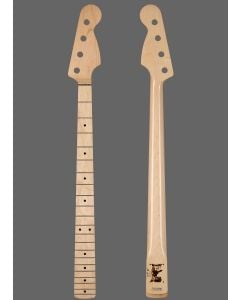
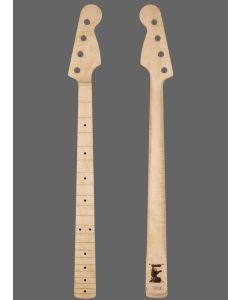
We have a large selection of necks in stock. Most are not completed and are awaiting final customization.
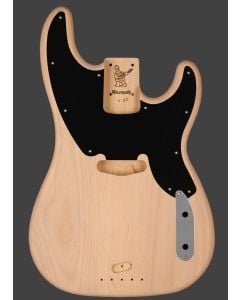
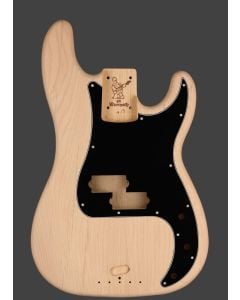
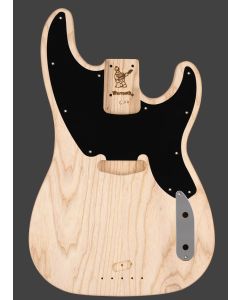
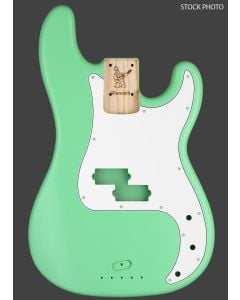
Many bodies are stocked with standard routing configurations for quick delivery.
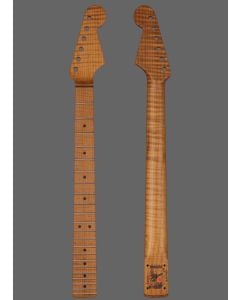
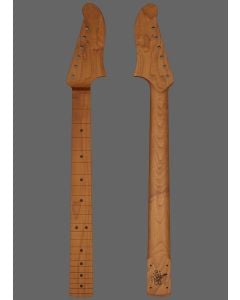
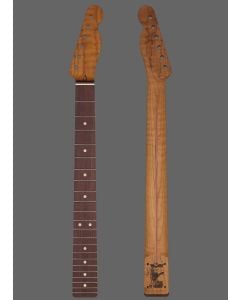
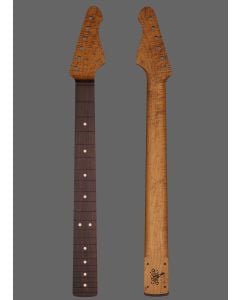
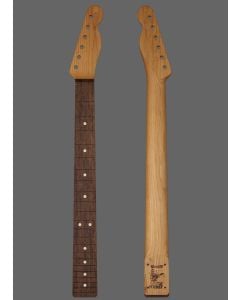
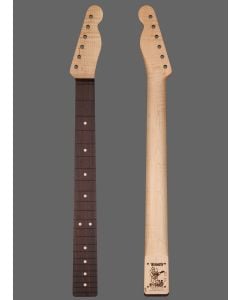
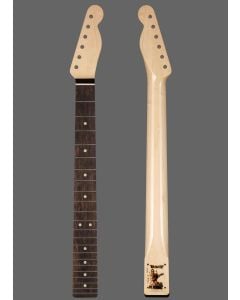
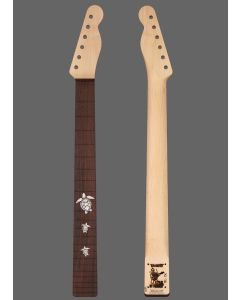
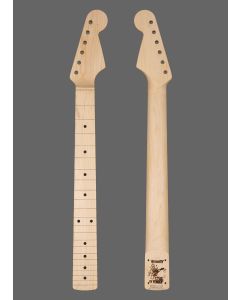
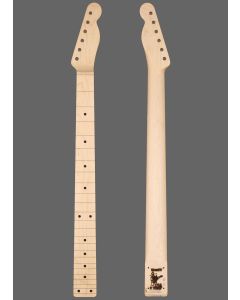
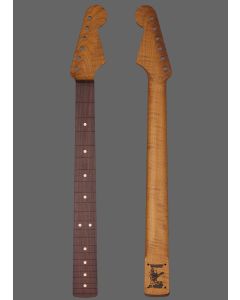
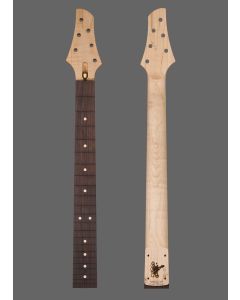
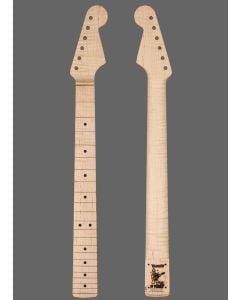
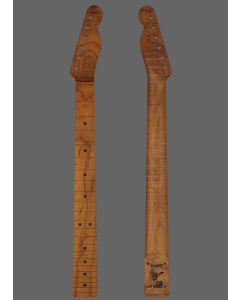
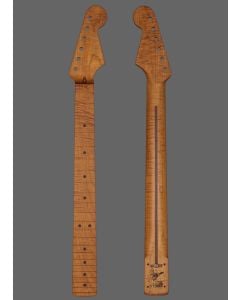
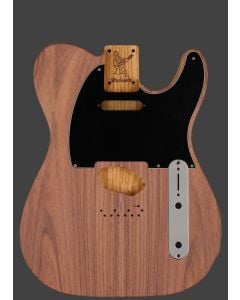
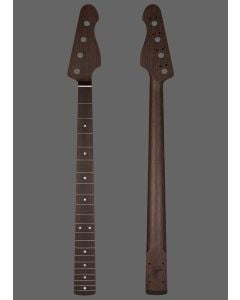
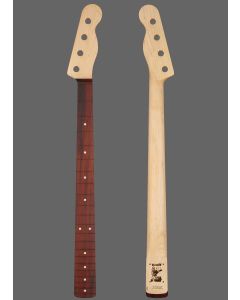
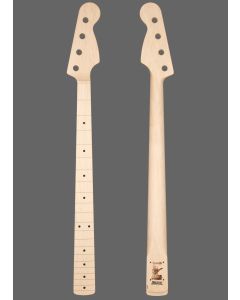
These are the actual necks you see in our online showcase. Both necks and bodies from the showcase are kept close to the sales staff for easy access.
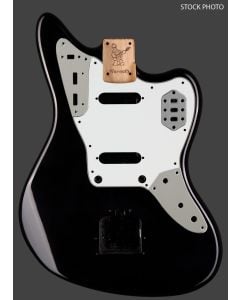
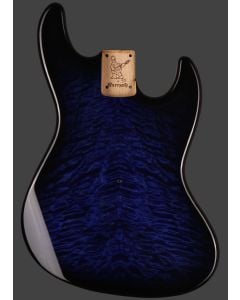
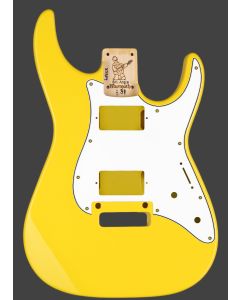
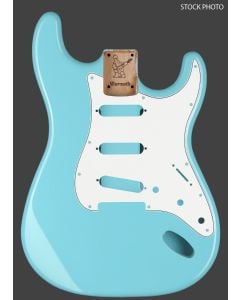
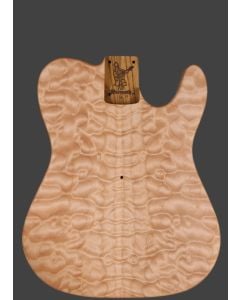
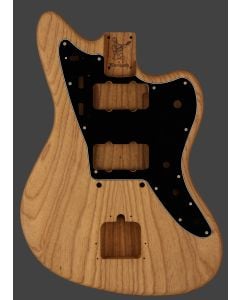
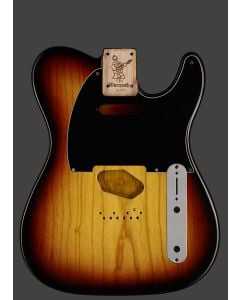
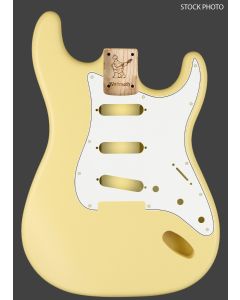
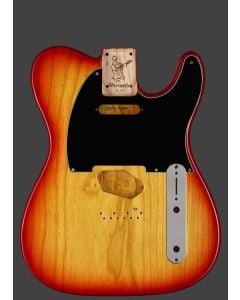
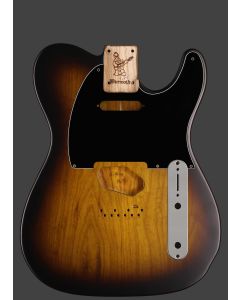
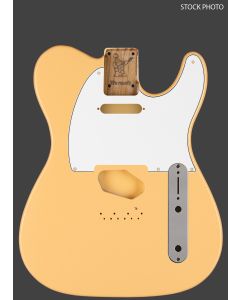
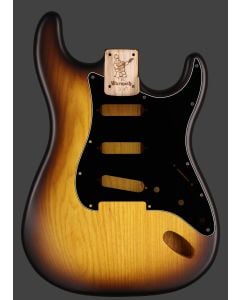
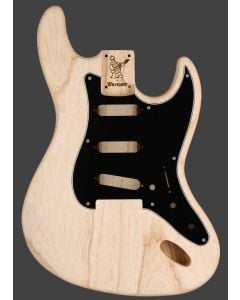
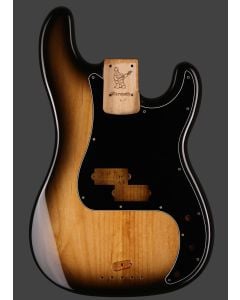
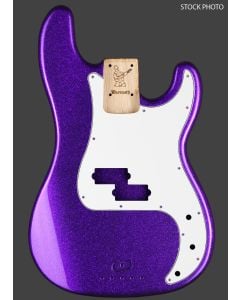
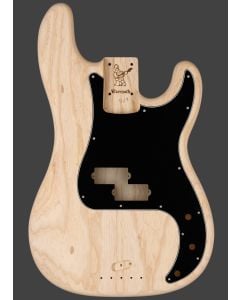
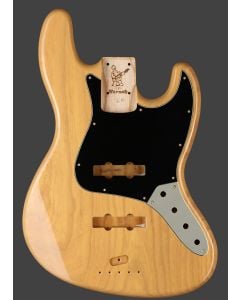
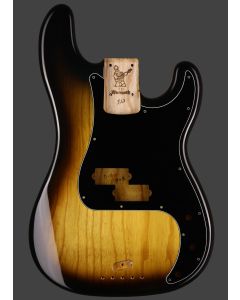
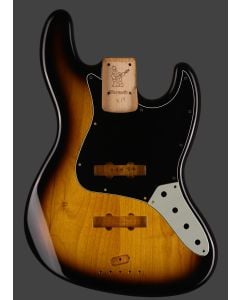
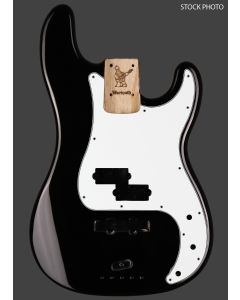
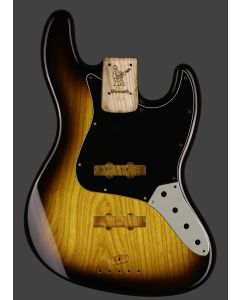
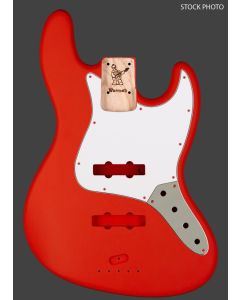
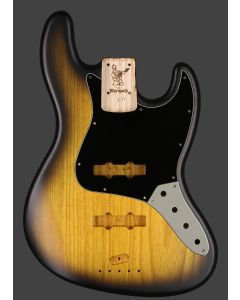
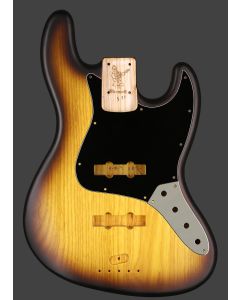
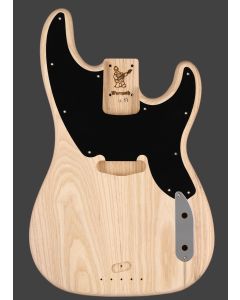
These are just some of the bodies in our showcase. Warmoth Trivia: If you stacked all these bodies up, the pile would be taller than a seven story building!
Woods must be properly dried and seasoned to insure stability in use. This is our largest kiln. It can hold up to 5000 board feet.
This is our smallest kiln, used primarily for fingerboards.
What better than an old stainless steel tractor trailer for storage of shipping boxes?
This mid-size kiln dries much of our special or exotic body and neck woods. It can hold up to 1000 board feet.
The shop facility is heated by hot water that is circulated in the cement floors. This system avoids forced air movement which tends to unevenly dry woods in production.
Body woods are inventoried in this mobile isle shelving unit. They are sorted by species, figure, weight, etc., so that we can find that "just right" piece for each project.
This is an unheated storage unit where swamp ash and figured maple are stored in bulk because you've gotta buy it when you can find it.
This is an unheated storage unit stocked with maple, rosewood, and a plethora of other exotic woods.
We keep thousands of fingerboards on hand for use in production. We buy in bulk to keep the cost down.
We stock thousands of maple billets that are pre-dried and awaiting a custom application. Billets are usually 22" long, 7-8" wide, and 2 1/4" thick.
This is just some of the back-stock of guitar body blanks. If you look closely on the left, you can see a stack of quilt maple for carved-tops that reaches to the ceiling!
Here we have some mahogany body blanks, more quilt maple billets, and a huge stack of fingerboards in the back.
This is some of our reserve of figured maple and koa for laminate tops. At 1/8"and 1/4" thick, these stacks are enough wood for hundreds of bodies!
A rack of miscellaneous specialty woods awaiting a project.
The big pile that is always in the way and right in the middle of the floor. This pile of maple (for necks) is what we work from every day.
Body blanks are glued together on a flat fixture, and then held in place with bar clamps until dry.
These are stacks of end-matched swamp ash waiting to be glued up into body blanks.
Like all the neck machines, this one was designed and built in-house. This particular machine is adjustable from 9" - 16" straight radius. The neck swings over a sanding belt to cut the radius.
Much development work was required by Jim Warmoth who designed this machine. The compound radius is accomplished here.
The fingerboard radius and fret slots are cut in a single fixturing on this, our vintage 7 1/4" radius machine.
Bass necks are radiused here with the same concept as the vintage machine - slotting and radiusing in one fixturing!
Necks with odd scales, white lined fretless bass necks, etc, are slotted one slot at a time in this custom tool. The saw slides on the top rails and indexes into an aluminum scale.
Compound radius necks are slotted in these gang saws. They feature 26 blades in each arbor that do the work with precision and speed.
Here we have our glue presses for clamping fingerboards. Lots of pressure and properly cambered forms all contribute to great necks.
Tooling marks from the CNC carved necks are all sanded smooth here.
Frets are pressed in one at a time with this Arbor press. Many shoes are available and interchangeable on the press to match each neck precisely.
Painstaking work - gluing and inserting face dots is hard work.
Gel type superglue is used in the fret slots to hold the frets in. No lifted frets on Warmoth necks!
Edge radius is done with a combination of right and left hand rotation router motors to avoid blow-outs. That's right, left hand rotation routers!
Scalloping is done on this homemade machine. Setup is slow, but once it's ready, the cutting is all done automatically. Then more slow hand sanding is done to clean it up.
This custom mill setup is used to install Floyd nuts, LSR's, etc. The jig centers the neck and references from the top of the fingerboard for precise installations.
Curved lam top bodies are glued up by first putting them in vacuum bags. These bags then go in the autoclave tank where the pressure is elevated to 100 psi.
Flat lam top bodies are clamped hydraulically in this fixture.
Dedicated sanding set-ups for doing precision contour sanding.
Binding is always slow going work, but it's done with pride. Stick glue and sticky tape make it so much fun!
An expert painter in his protective suit. Doesn't he look comfortable?
This "Christmas Tree" fixture is used to hold wet bodies while drying and prevent drips.
To become an expert at wood dye coloring requires a lot of experience. Dye really brings out the best in figured maple.
Careful sanding is required to flatten the finish but not go through this very thin coating.
Hardware is imported directly from both Gotoh and Schaller. Overflow is stored in plastic tubs upstairs.
Steady and controlled movement through the 4 stages of buffing bring out the full gloss in these professional finishes.
Bin boxes galore! Hardware is spread all around the shipping room for quick pulling and assembly into a box...headed for your door. Thanks UPS!
We generally stock over 300 individual pickups from Seymour Duncan, Lace, and EMG. Hope we have the one you want!
We have around $50,000 worth of pickguard plastic on hand awaiting your next project! This is just the daily working stock shown.
Patterns for each pickguard design - right and left handed!
Hundreds of pickguard blanks in common colors wait in our pickguard room for custom pickup and control routing.
Pickguards are cut on this SCMI pin router with a custom built spindle (long skinny nose.)
Here the Fadal CNC routs out a neck pocket on one of our Gecko bass bodies. The red handle controls the vacuum that holds the body down during machining.
Almost all our body routing is accomplished by this heavy duty machine. We purchased this in 1998. This machine features a 24hp, 15,000 rpm spindle.
Our good ol' two head SCMI CNC router is operated by a Seimens 810 control. We've had this work horse since 1988! It's capable of cutting two parts simultaneously.
Back contours are consistent and precise using our CNC machines.
This small Standard Router features a home-built rotary head with 6 tools. It's used primarily for slotting, dotting, custom inlay work, etc. on fingerboards.
This tiny MiniTech CNC is used to cut string nuts for our necks. It features a custom-made two-spindle head and uses software designed in-house to make nuts from each neck's measurements.
36" wheels enable this old saw to cut just about anything, including these huge blocks of exotic koa!
4" wide Delta planer with a carbide, Helical cut, Newman/Whitney head. Gives a great cut even on birdseye and other wild grained woods.
Delta, 16" wide jointer with custom Tersa cutterhead for easy & fast knife changes.
This small saw is used to cut most of our neck and body blanks to shape.
36" wide belt Sanding Master for precise thickness sanding.
Onsrud heavy-duty over-arm router used for specialty routing on bodies.
SCMI over-arm router used in the neck shop for miscellaneous operations.
This is an ancient horizontal milling machine which has been customized to thickness neck pegheads.
Aah the tablesaw...standard woodshop machinery.
This machine makes extremely precise cuts for superior scarf joints on our angled peghead necks.
We build jigs and fixtures and repair all the shop equipment in our own machine shop. This big Clausing lathe with a new inverter drive is real sweet.
Ahh...the radial arm saw. More standard woodshop machinery.
We develop a lot of our own fixtures. We machine some of the parts in house on this mill.
We use this Jet Mill to make some of the smaller parts for our fixtures.
Welding truss rod assemblies - yes we make our own truss rods!