

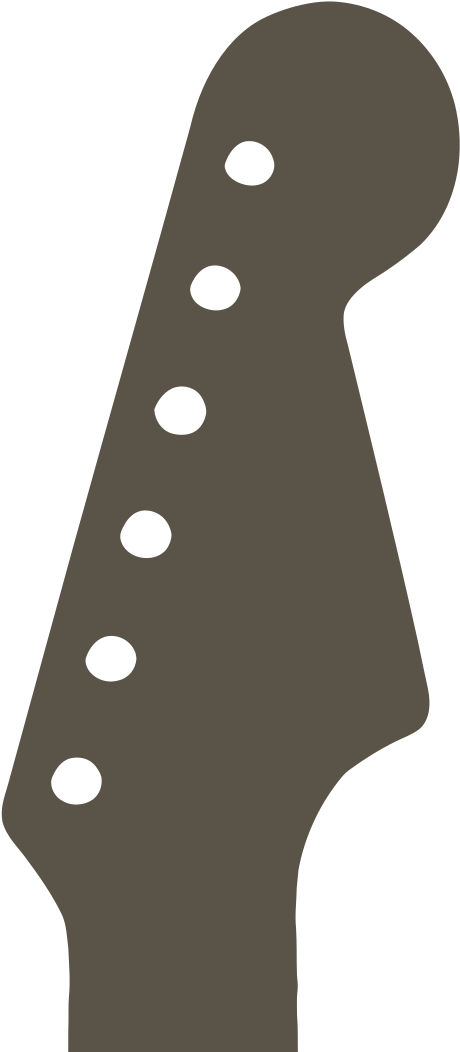
Featured In-Stock Guitar Necks
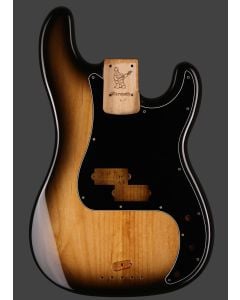
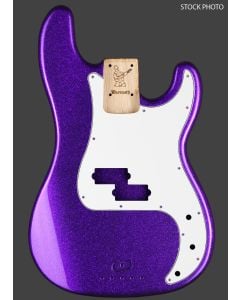
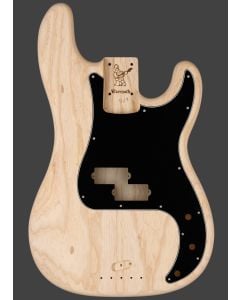
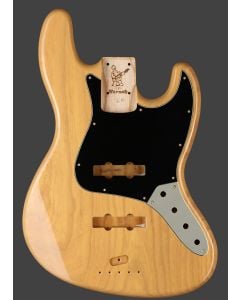
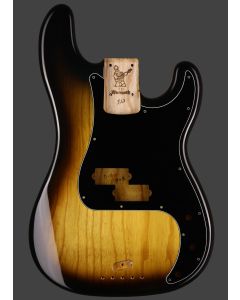
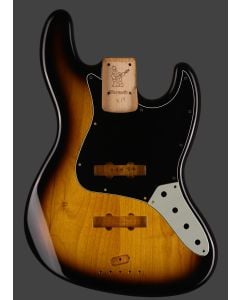
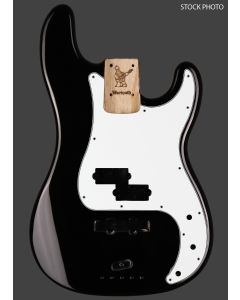
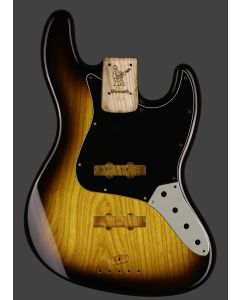
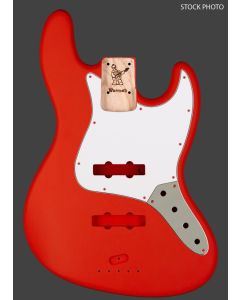
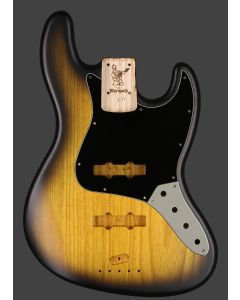
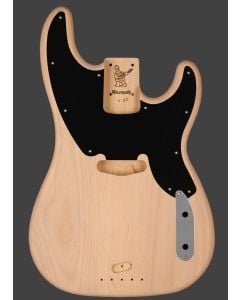
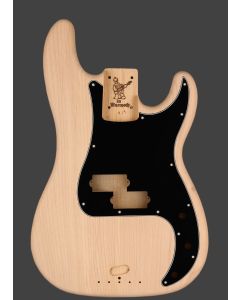
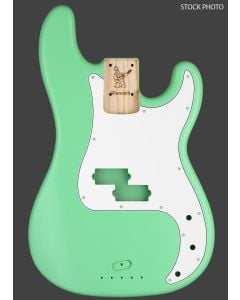
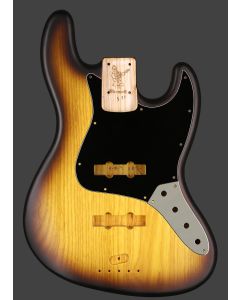
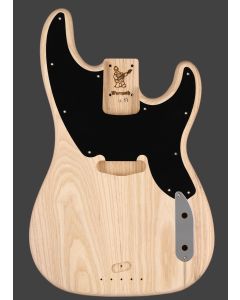
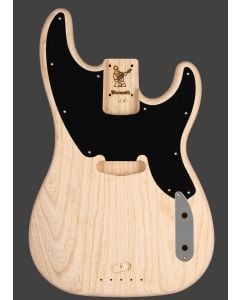
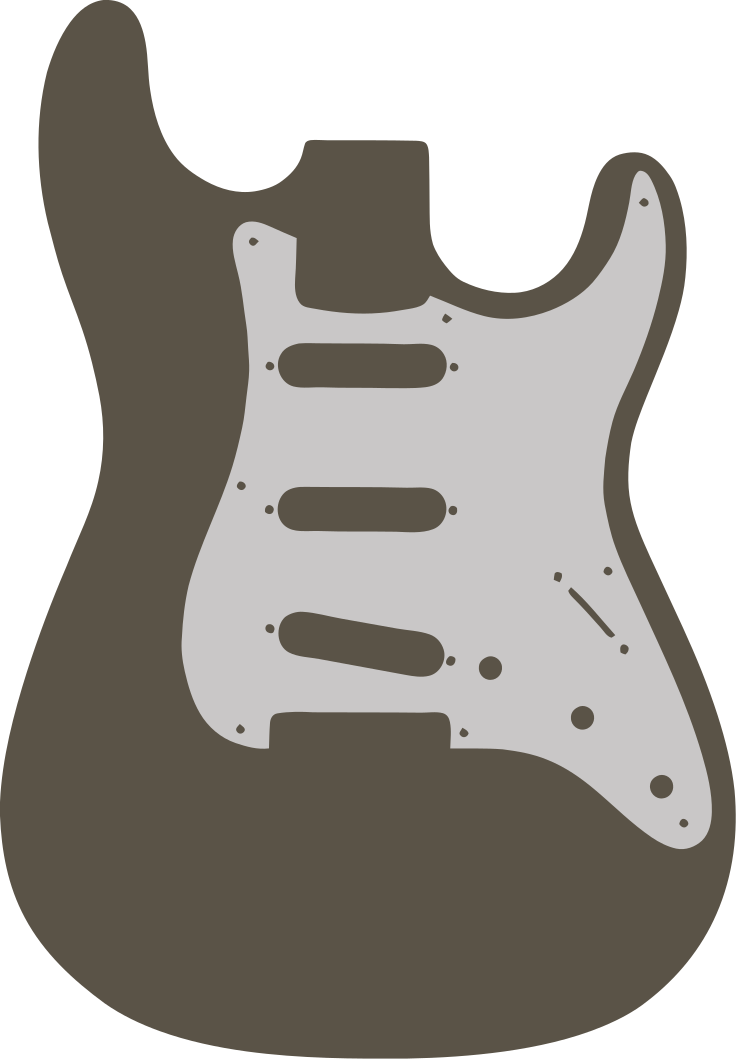
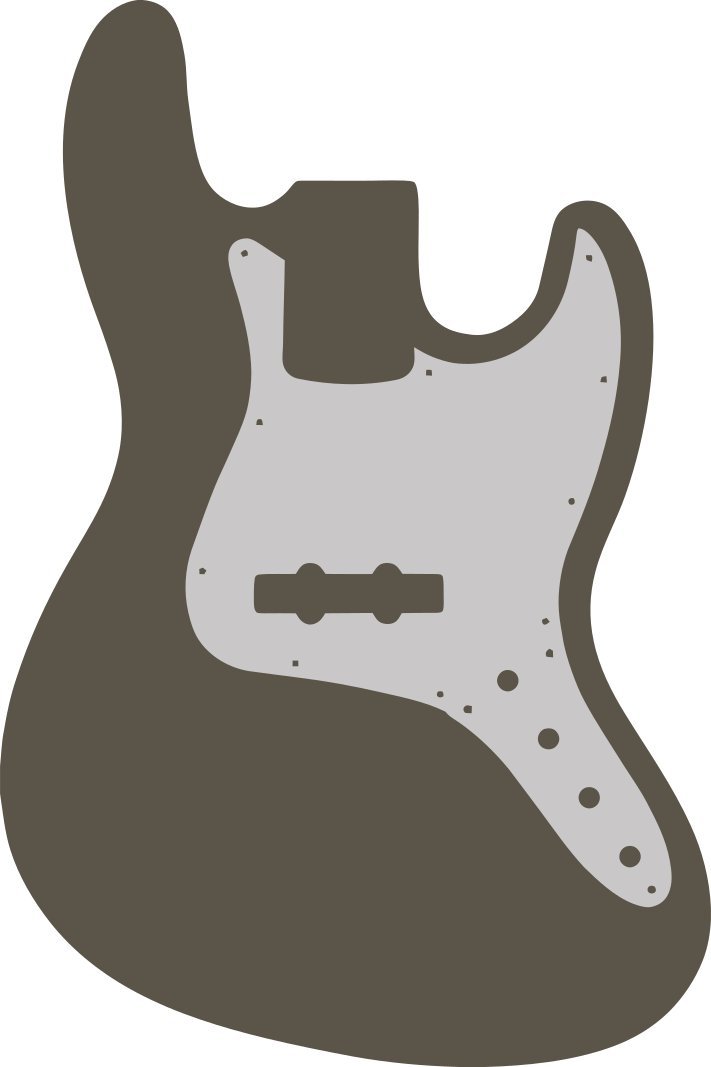
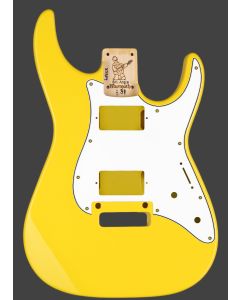
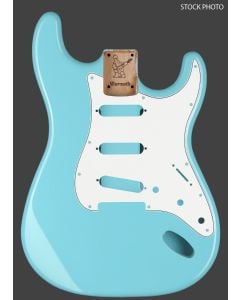
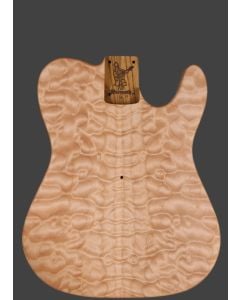
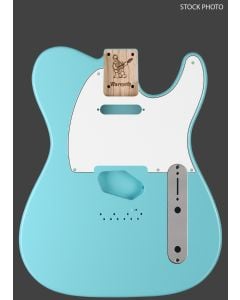
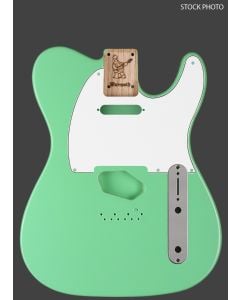
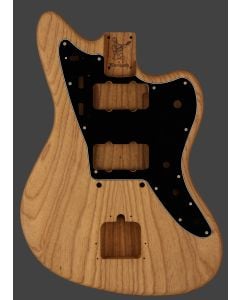
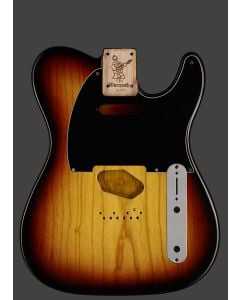
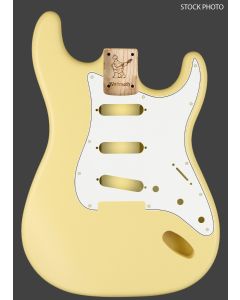
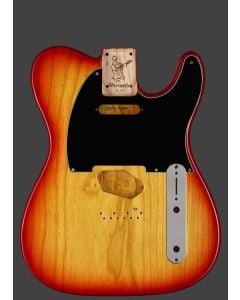
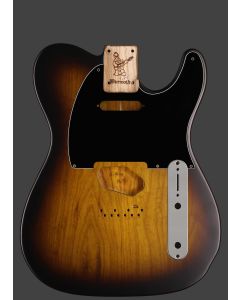
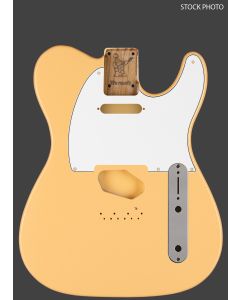
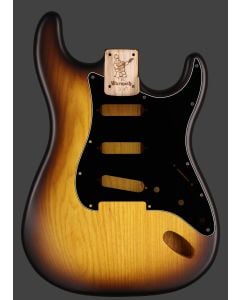
Featured In-Stock Guitar Bodies
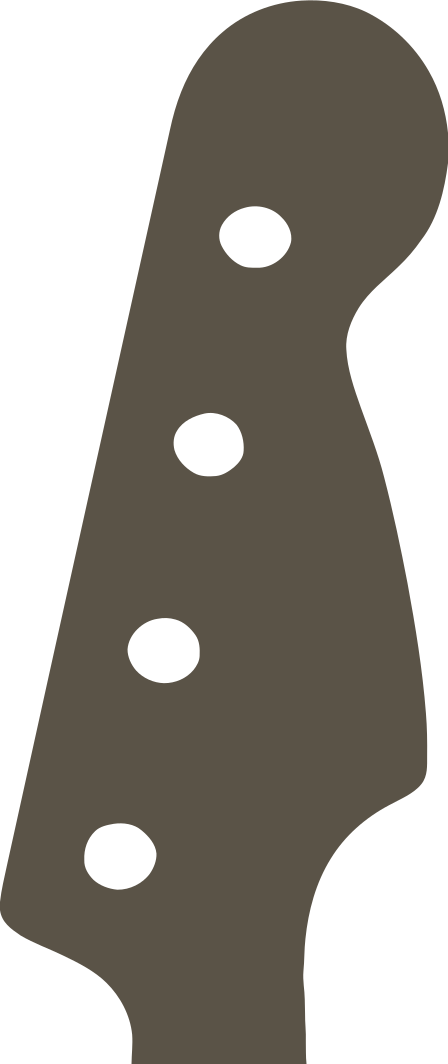
Featured In-Stock Bass Necks
-
-
-
-
-
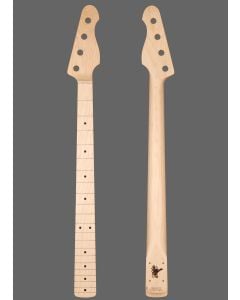
-
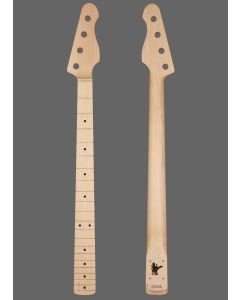
-
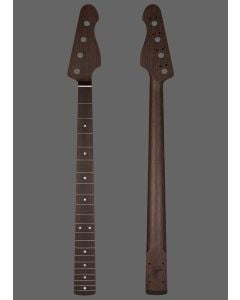
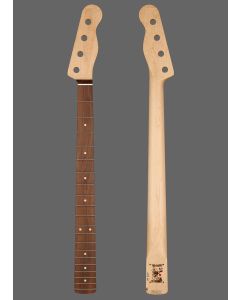 Tele® Bass Replacement NeckSuper Bass Construction, 34" Scale, Straight 10" Fretboard Radius
 -
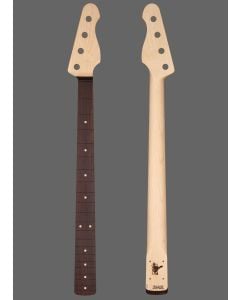
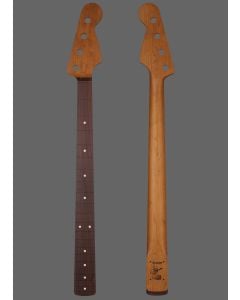 P Bass® Replacement NeckSuper Bass Construction, 34" Scale, Straight 10" Fretboard Radius
 -
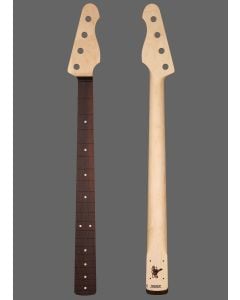
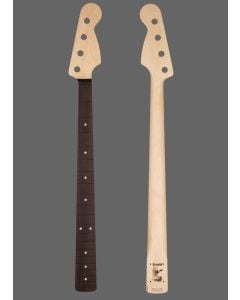 J Bass® Replacement NeckSuper Bass Construction, 34" Scale, Straight 10" Fretboard Radius
 -
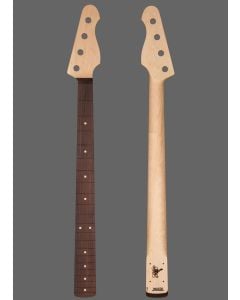
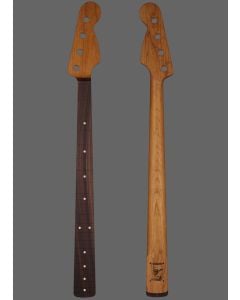 J Bass® Replacement NeckSuper Bass Construction, 34" Scale, Straight 10" Fretboard Radius
 -
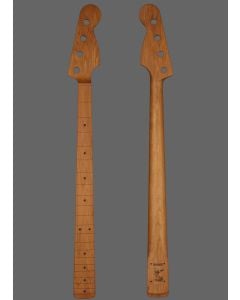 J Bass® Replacement NeckSuper Bass Construction, 34" Scale, Straight 10" Fretboard Radius
 -
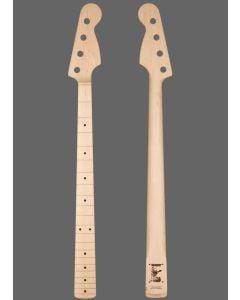 J Bass® Replacement NeckSuper Bass Construction, 34" Scale, Straight 10" Fretboard Radius
 -
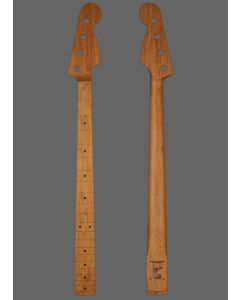 J Bass® Replacement NeckSuper Bass Construction, 34" Scale, Straight 10" Fretboard Radius
 -
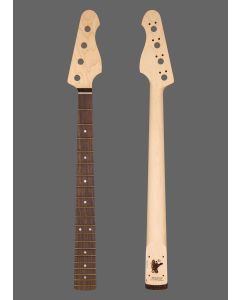
-
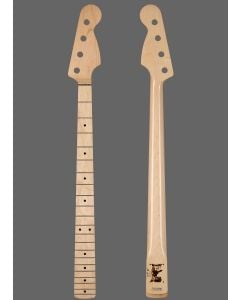 J Bass® Replacement NeckSuper Bass Construction, 34" Scale, Straight 10" Fretboard Radius
 -
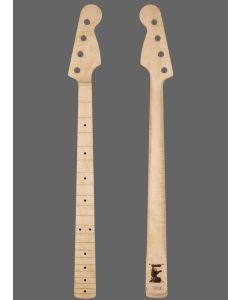 J Bass® Replacement NeckSuper Bass Construction, 34" Scale, Straight 10" Fretboard Radius
 -
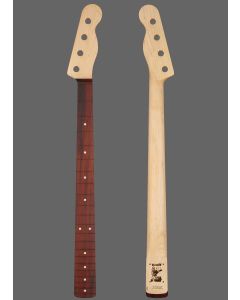 Tele® Bass Replacement NeckSuper Bass Construction, 34" Scale, Straight 10" Fretboard Radius
 -
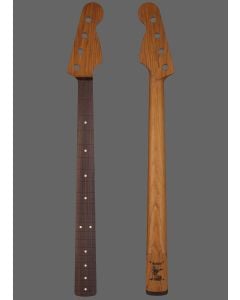 P Bass® Replacement NeckSuper Bass Construction, 34" Scale, Straight 10" Fretboard Radius
 -
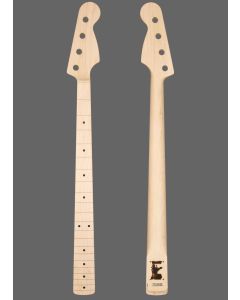 J Bass® Replacement NeckSuper Bass Construction, 34" Scale, Straight 10" Fretboard Radius
 -
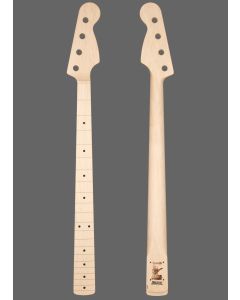 J Bass® Replacement NeckSuper Bass Construction, 34" Scale, Straight 10" Fretboard Radius