

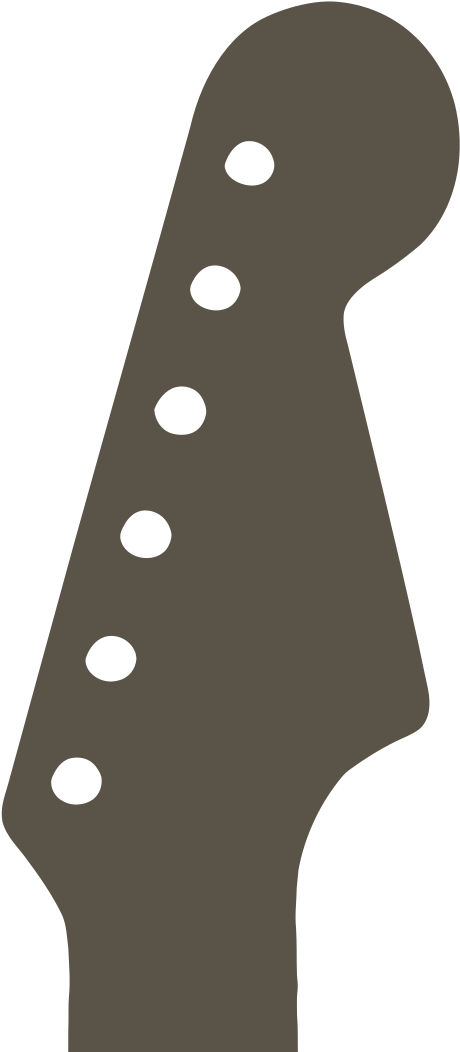
Featured In-Stock Guitar Necks
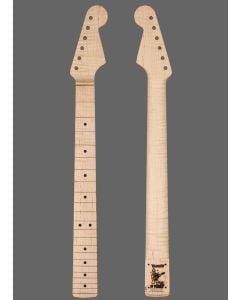
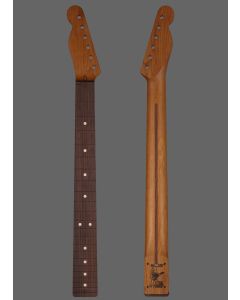
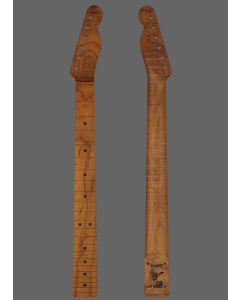
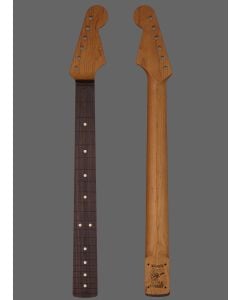
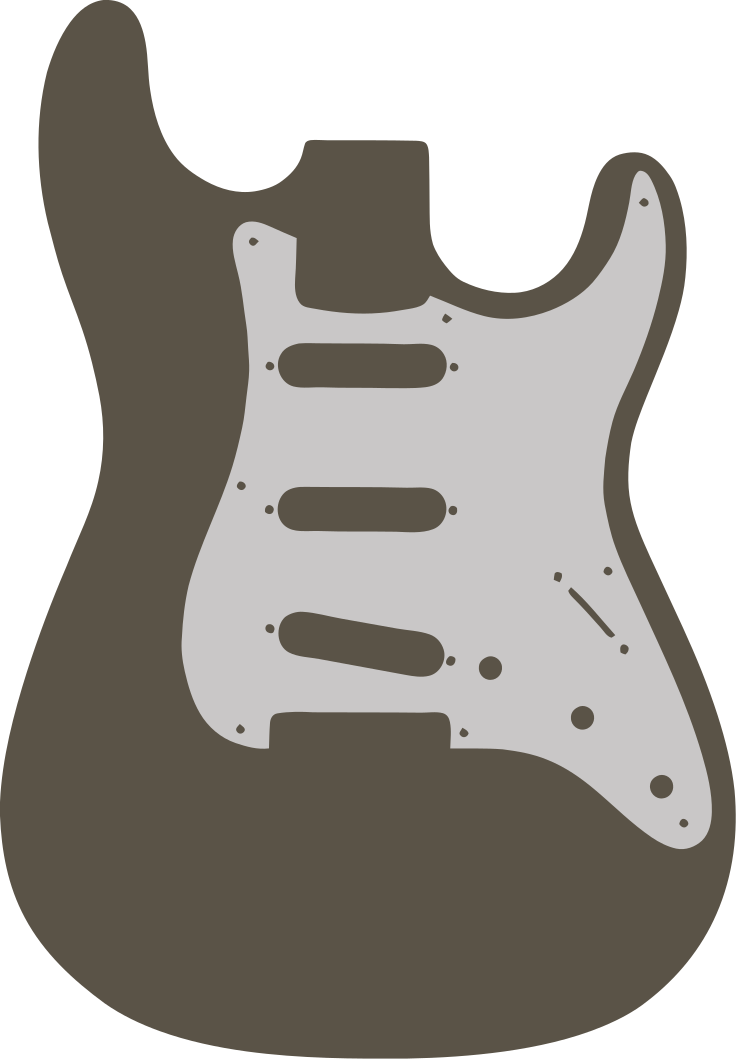
Featured In-Stock Guitar Bodies
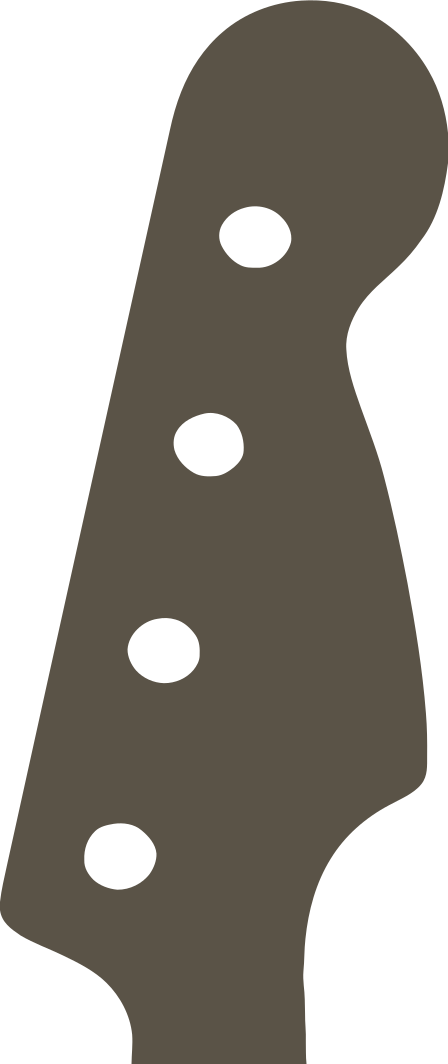
Featured In-Stock Bass Necks
-
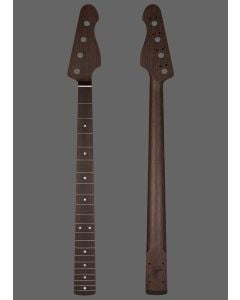 Short Scale Warhead Bass NeckThis neck fits Warmoth Short Scale Bass bodies only.
 -
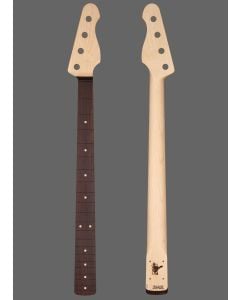 Warhead Bass NeckSuper Bass Construction, 34" Scale, Straight 10" Fretboard Radius
 -
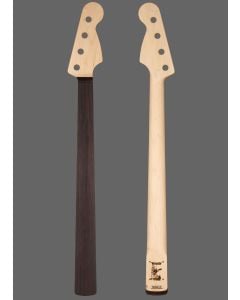 P Bass® Replacement NeckSuper Bass Construction, 34" Scale, Straight 10" Fretboard Radius
 -
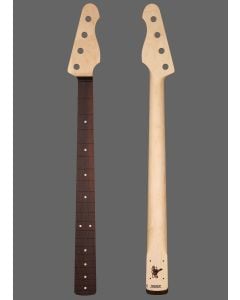 Warhead Bass NeckSuper Bass Construction, 34" Scale, Straight 10" Fretboard Radius
 -
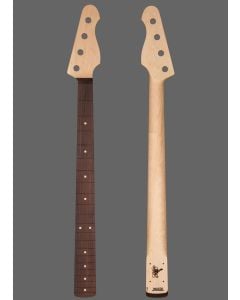 Warhead Bass NeckSuper Bass Construction, 34" Scale, Straight 10" Fretboard Radius
 -
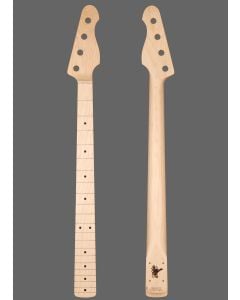 Warhead Bass NeckSuper Bass Construction, 34" Scale, Straight 10" Fretboard Radius
 -
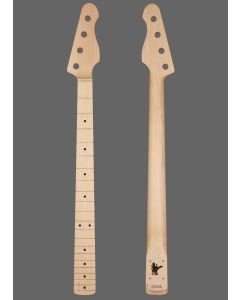 Warhead Bass NeckSuper Bass Construction, 34" Scale, Straight 10" Fretboard Radius
 -
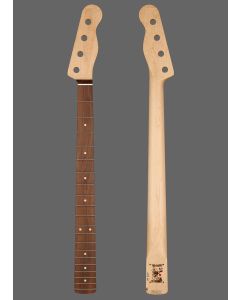 Tele® Bass Replacement NeckSuper Bass Construction, 34" Scale, Straight 10" Fretboard Radius
 -
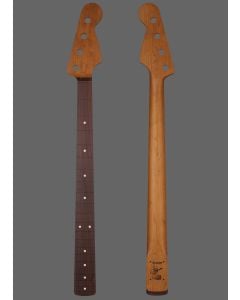 P Bass® Replacement NeckSuper Bass Construction, 34" Scale, Straight 10" Fretboard Radius
 -
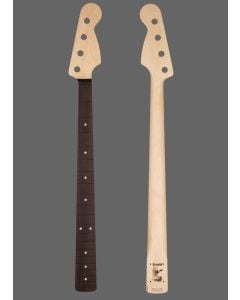 J Bass® Replacement NeckSuper Bass Construction, 34" Scale, Straight 10" Fretboard Radius
 -
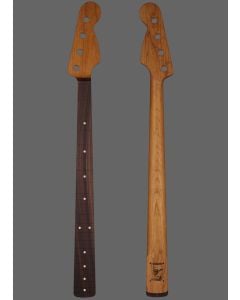 J Bass® Replacement NeckSuper Bass Construction, 34" Scale, Straight 10" Fretboard Radius
 -
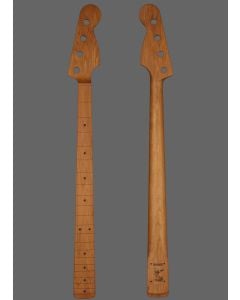 J Bass® Replacement NeckSuper Bass Construction, 34" Scale, Straight 10" Fretboard Radius
 -
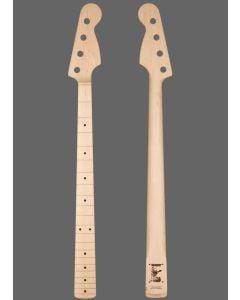 J Bass® Replacement NeckSuper Bass Construction, 34" Scale, Straight 10" Fretboard Radius
 -
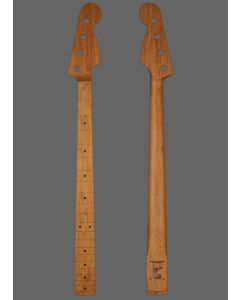 J Bass® Replacement NeckSuper Bass Construction, 34" Scale, Straight 10" Fretboard Radius
 -
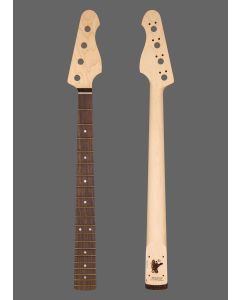 Short Scale Warhead Bass NeckThis neck fits Warmoth Short Scale Bass bodies only.
 -
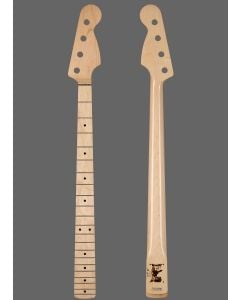 J Bass® Replacement NeckSuper Bass Construction, 34" Scale, Straight 10" Fretboard Radius
 -
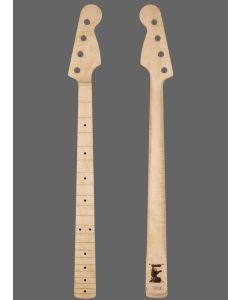 J Bass® Replacement NeckSuper Bass Construction, 34" Scale, Straight 10" Fretboard Radius
 -
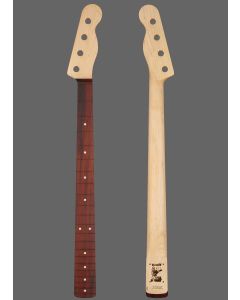 Tele® Bass Replacement NeckSuper Bass Construction, 34" Scale, Straight 10" Fretboard Radius
 -
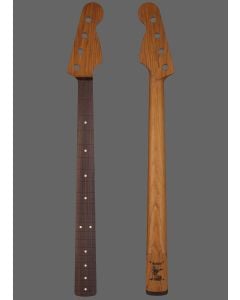 P Bass® Replacement NeckSuper Bass Construction, 34" Scale, Straight 10" Fretboard Radius
 -
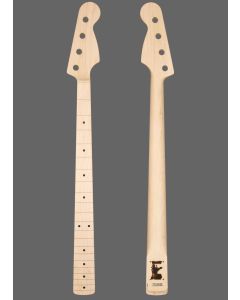 J Bass® Replacement NeckSuper Bass Construction, 34" Scale, Straight 10" Fretboard Radius